A Message from Terri Bratton
Many of you have asked why you haven’t seen as many events or activities from the Frontotemporal Lobar Degeneration Association over the past few years.
Like so many organizations, COVID-19 forced us to cancel most of our fundraising events. Shortly thereafter, in early 2021, I was diagnosed with stomach cancer. As an all-volunteer organization, I made the difficult decision to step away from my volunteer work to focus on healing and recovery.
I am grateful to share that I am healthy and back doing what I love—raising awareness of Frontotemporal Dementia and supporting the critical research needed to find better treatments and, one day, a cure.
Thank you for your patience, your prayers, and your continued support. Together, we are once again moving our mission forward and making a difference for families affected by FTD.
With gratitude,
Terri Bratton
Founder & Volunteer
“Since 2009, the all-volunteer Frontotemporal Lobar Degeneration Association has been driven by one unwavering mission: to raise awareness, educate medical professionals, and advance research for Frontotemporal Dementia (FTD) and related neurological disorders. We believe that through education, advocacy, and research, we can bring hope to families, improve lives through earlier diagnosis and better treatments, and help pave the way toward a cure”.
Dementias and Disorders Affecting the Frontal Lobe
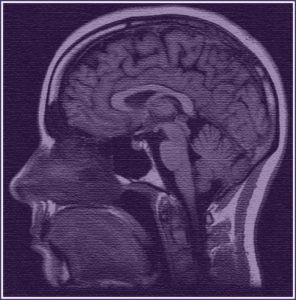
Several neurodegenerative and neurologic conditions primarily affect the frontal lobe, leading to changes in behavior, personality, language, and executive function. These disorders are often grouped under the umbrella term frontotemporal lobar degeneration (FTLD), which includes both dementia and non-dementia forms.
Main Dementias and Disorders of the Frontal Lobe
1.Frontotemporal Dementia (FTD) – The most common category, affecting both frontal and temporal lobes. It can present as.
- Behavioral variant FTD (bvFTD) – marked by personality changes, loss of empathy, apathy, and socially inappropriate behavior.
- Primary Progressive Aphasia (PPA) – language impairment.
- Nonfluent/agrammatic variant – difficulty speaking fluently, grammar errors.
- Semantic variant – loss of word meaning, preserved fluency.
- Primary Progressive Apraxia of Speech (PPAOS) – difficulty coordinating speech movements.
2.Pick’s Disease – A subtype of FTD characterized by neuronal loss and protein clumps (Pick bodies) in the frontal and temporal lobes, often with early behavioral changes.
3.Progressive Supranuclear Palsy (PSP) – A movement disorder with frontal lobe involvement, causing early postural instability, gaze palsy, and cognitive changes.
4.Corticobasal Syndrome (CBS) – A movement disorder with asymmetric symptoms, often with apraxia, alien limb phenomenon, and cognitive changes, including frontal lobe dysfunction.
5.Amyotrophic Lateral Sclerosis (ALS) – While primarily a motor neuron disease, ALS can co-occur with FTD in the ALS–FTD spectrum, with frontal lobe involvement in some cases, ftd and als share a gene.
This Is BIG News!
For years, neurologists have believed that healthy lifestyle choices could help protect our brains and preserve cognitive function. Now, we have strong scientific evidence to support it.
The groundbreaking U.S. POINTER Study, involving more than 2,000 participants, has demonstrated that a comprehensive lifestyle intervention—including regular physical activity, healthy eating, cognitive engagement, and better management of cardiovascular health—can help support brain health and reduce the risk of cognitive decline.
This research offers something families affected by Alzheimer’s disease and Frontotemporal Dementia desperately need: hope.
Small changes today could make a big difference tomorrow. https://www.alz.org/us-pointer

Bruce Willis Brings Global Attention to Frontotemporal Dementia
When actor Bruce Willis was diagnosed with Frontotemporal Dementia (FTD) after initially being diagnosed with aphasia, his family chose to share their journey publicly to help raise awareness of this devastating disease.
His wife, Emma Heming Willis, has spoken openly about the challenges their family faces and the importance of increasing understanding and support for those living with FTD. Through her advocacy, she has helped shine a spotlight on a disease that affects thousands of families but remains largely unknown and often misdiagnosed.
We are grateful for the awareness Bruce and Emma have brought to FTD. Their courage in sharing their story is helping educate the public, inspire research, and give hope to families facing similar journeys.
“Since we announced Bruce’s diagnosis of aphasia in spring 2022, Bruce’s condition has progressed and we now have a more specific diagnosis: frontotemporal dementia (known as FTD),” she continued. “Unfortunately, challenges with communication are just one symptom of the disease Bruce faces. While this is painful, it is a relief to finally have a clear diagnosis.”
Heming Willis continued further, “Bruce always believed in using his voice in the world to help others and to raise awareness about important issues both publicly and privately. “We know in our hearts that – if he could today — he would want to respond by bringing global attention and a connectedness with those who are also dealing with this debilitating disease and how it impacts so many individuals and their families.”
“Bruce has always found joy in life – and has helped everyone he knows to do the same,” Emma concluded. “It has meant the world to see that sense of care echoed back to him and to all of us. We have been so moved by the love you have all shared for our dear husband, father, and friend during this difficult time. Your continued compassion, understanding, and respect will enable us to help Bruce live as full a life as possible.”
READ THE REST OF THE STORY HERE

The Unexpected Journey: Finding Strength, Hope, and Yourself on the Caregiving Path
The day Emma Heming Willis’ husband, Bruce Willis, was diagnosed with frontotemporal dementia (FTD), all they were given was a pamphlet and told to check back in a few months. With no hope or direction, Emma walked out of that doctor’s appointment frozen with fear, confusion and a sense that her world had just fallen apart.
In fact, it had. Bruce and Emma had their story written, their future mapped out. Yet all those dreams crumbled with that diagnosis, and Emma felt alone and more isolated than ever. How would she care for her husband while parenting their young daughters?
At that devastating time, Emma just wanted someone who’d been through it to tell her, “This feels terrible right now. Your life is in shambles. But it’s going to be okay. Here are some things to think about and put in place so you cannot just survive but thrive.”
With The Unexpected Journey, Emma has written the book she wishes she’d been handed on the day of Bruce’s diagnosis: a supportive guide to navigating the complicated, heartbreaking, and transformative experience that is caregiving for your loved one.

MAKE A DONATION


DID YOU KNOW?
Many people diagnosed with FTLD experience a sudden burst in creativity.
Known as paradoxical functional facilitation, this occurs when suppression or loss of activity in one part of the brain leads to a release of activity in another.
Ursula Pari, News Anchor for KSAT-TV in San Antonio, interviews Terri Bratton about the bursts of creativity her brother and sister experienced during their illness.
Why I Started the Frontotemporal Lobar Degeneration Association
My mother and I funded and founded the Frontotemporal Lobar Degeneration Association because Frontotemporal Dementia devastated our family. I lost both a brother and a sister to FTD and later my mother to Alzheimer’s disease.
Their struggles showed me firsthand how desperately we need greater awareness, earlier diagnosis, and more research. I refused to stand by and do nothing.
Today, our all-volunteer organization raises funds and awareness through programs including the 10th Michael Bratton Memorial Golf Tournament, The Dementia Series Annual Meeting, and physician education conferences. We hope to get the South Texas Brain Bee for high school students back by 2027.